
Manhattan Beach Housing Market: Key Price Drivers & Trends
January 1, 2026
January 1, 2026
Why do two homes just a few blocks apart in Manhattan Beach sell for dramatically different prices? In a small, high-demand coastal city, small details like a view corridor, lot position, or walk-to-Pier access can swing values by six or even seven figures. If you are buying or selling here, knowing what truly drives price will help you time your move, position your offer, or set a winning list strategy. Below is a clear, local guide to the factors that matter most and how to use them to your advantage. Let’s dive in.
Manhattan Beach is a small, high-value market where a handful of listings can move percentages. Focus on trends over 12 months and separate single-family homes from condos and townhomes. Use the metrics below to gauge leverage and momentum.
| Metric | Single-family | Condos/Townhomes |
|---|---|---|
| Typical price orientation | Multi-million dollar range, often around the mid-single-digit millions depending on location, lot, and views | Often mid six to low seven figures, with size, upgrades, and proximity to downtown affecting price |
| Inventory pattern | Traditionally tight; new builds and view homes are especially scarce | Limited supply compared to many inland communities |
| DOM behavior | Turnkey, well-priced homes can move quickly; atypical or ambitious pricing can take longer | Similar pattern, with renovated and well-located units moving faster |
Note: Because Manhattan Beach has few listings at any given time, month-to-month numbers can be volatile. Look at rolling 12-month trends and keep an eye on regional context from the California Association of Realtors regional housing snapshots.
The city sits on a narrow slice of coastline with finite beachfront parcels. Proximity to the sand and the Strand is the clearest source of price premiums. Even a slight shift inland can change price per square foot because direct beach access and walkable distance to the Pier are limited and highly prized.
Unobstructed ocean and coastline views, especially from elevated lots, command notable premiums. Larger or wider lots allow better layouts, parking, and indoor-outdoor flow, which all boost value. Teardown-and-rebuild activity is common, and high-quality new construction, ADUs, and rooftop decks can meaningfully lift price per square foot under local zoning and coastal guidelines.
Many buyers evaluate Manhattan Beach Unified School District programs and offerings when deciding where to purchase. You can review district information directly through the Manhattan Beach Unified School District. Interest in local schools supports demand, especially for homes near parks and neighborhood amenities.
Homes with easy pedestrian access to downtown, the Pier, restaurants, and the bike path tend to draw more interest. Walkability makes day-to-day life simple, and that convenience shows up in pricing. If two homes are otherwise similar, the one with better walk-to-Pier access often sells faster and for more.
Mortgage rates, stock market performance, and high-earning buyer pools all influence demand. Manhattan Beach often attracts buyers who can make large down payments or pay cash, which reduces sensitivity to rate changes. If rates rise quickly, buyer pools can narrow and days on market can lengthen, especially for homes that stretch the price band for their section.
Coastal exposure brings questions about long-term sea level and flood risk, as well as insurance availability and cost. For an overview of coverage changes, consult the California Department of Insurance, and for coastal risk context, explore NOAA sea level rise resources. Lenders and buyers increasingly factor these items into pricing, contingencies, and timelines.
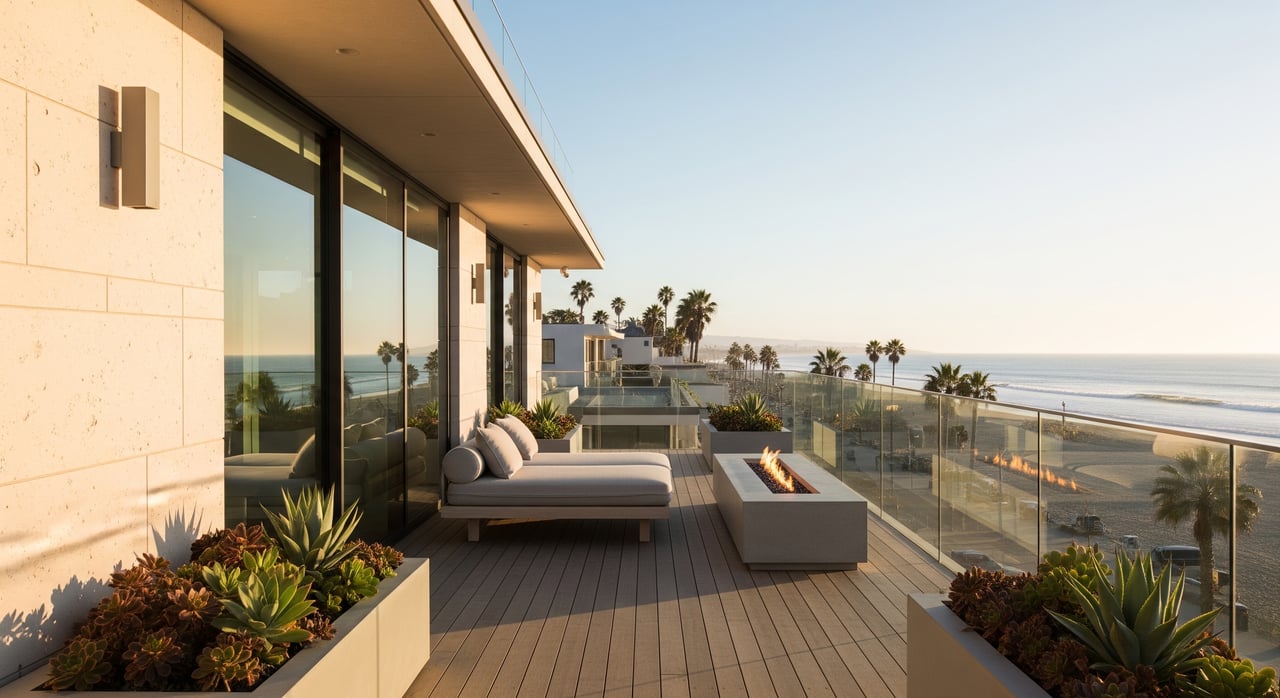
If you want beachfront living and the shortest walk to the Pier, start here. The Sand Section includes the Strand and nearby blocks with the city’s strongest per-square-foot pricing. Direct beach access, unobstructed views, parking solutions, and rooftop spaces heavily influence value.
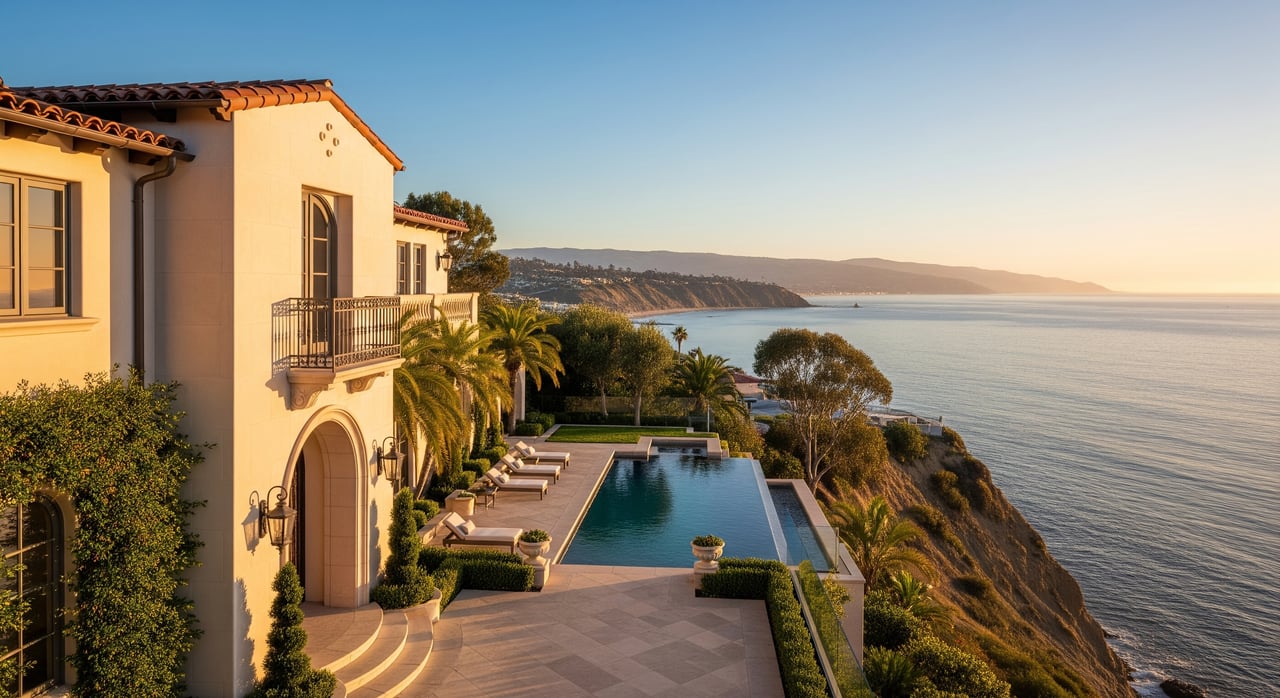
Higher elevations can deliver sweeping ocean and coastline views. Many lots are larger, and privacy often improves as you move up the hillside. View corridors, slope, and construction quality are central to pricing.
Tree-lined streets offer a classic neighborhood feel with a mix of older cottages and larger rebuilt homes. Pricing varies block by block, with potential value for buyers who prioritize lot potential and proximity to parks.
Condos and townhomes cluster near the downtown core and at the Hill/Tree transition. Renovated interiors, parking, HOA dues, and proximity to the Pier influence pricing.
Teardowns and high-end rebuilds are common where lot value exceeds the value of existing structures. Height limits, coastal considerations, and neighborhood design review norms shape what you can build. Before planning a renovation or new build, check requirements with the City of Manhattan Beach Planning and Building team to understand feasibility, timelines, and approvals.
Manhattan Beach pricing reflects scarcity, micro-neighborhood nuance, views, and lifestyle. If you understand how the Sand, Hill, and Tree Sections behave, and you watch inventory, DOM, and sale-to-list trends over time, you will be better positioned to win. Whether you are eyeing a view home, a Strand-adjacent property, or a condo near downtown, local nuance will shape value more than citywide averages.
If you want a clear read on pricing, positioning, and presentation, connect with a local, boutique advisor who pairs data with hands-on neighborhood knowledge. Reach out to Lisa Moule to schedule your South Bay consultation.
Stay up to date on the latest real estate trends.


Get assistance in determining current property value, crafting a competitive offer, writing and negotiating a contract, and much more. Contact Lisa today to discuss all your real estate needs!