Living On The Redondo Beach Esplanade: Condo Buyer Guide
February 5, 2026
February 5, 2026
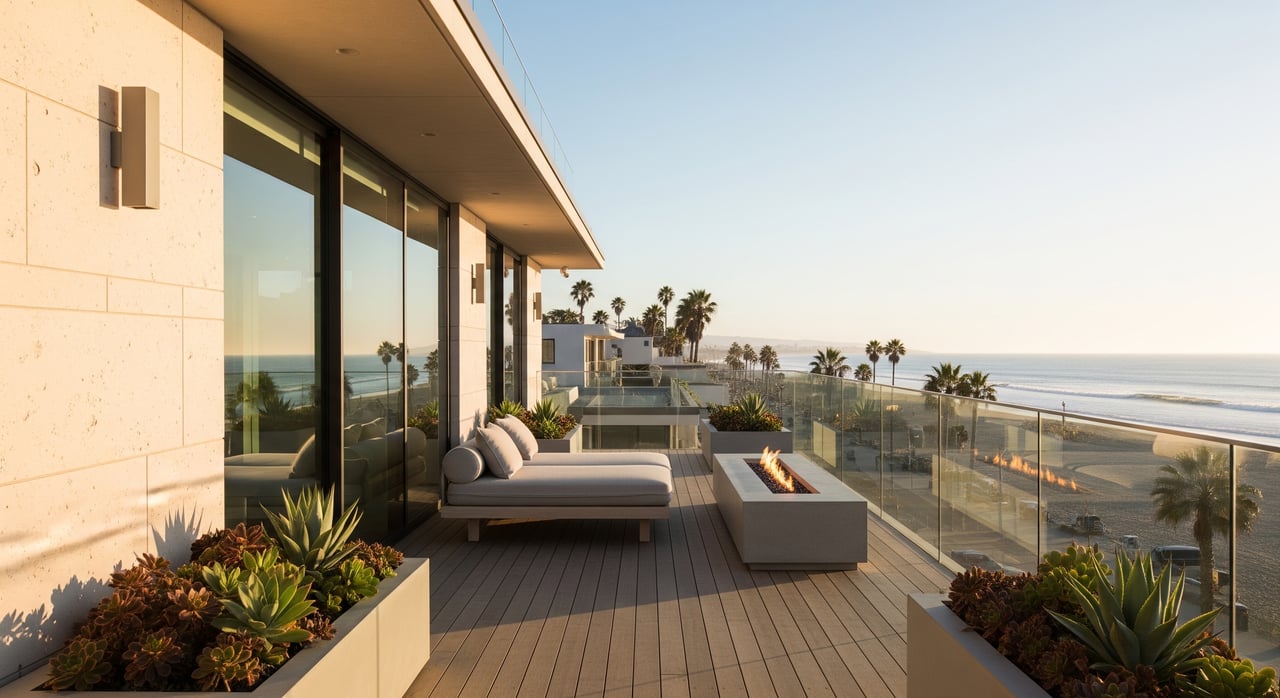
Ever picture your morning coffee with a horizon full of blue, surfers below, and a breezy walk to the pier? Living on the Redondo Beach Esplanade delivers that daily. If you are weighing a condo here, you also want clarity on price, HOA dues, special assessments, rules, and long‑term coastal risks. This guide breaks it down so you can buy with confidence and enjoy the lifestyle with fewer surprises. Let’s dive in.
The Esplanade runs along Redondo Beach’s oceanfront, with condos either on the sand or a short block back. You get direct beach access, strong walkability, and quick reach to King Harbor, the pier, restaurants, and bike paths. Expect a lively scene, especially on weekends and in peak seasons, with more visitors than inland neighborhoods. The tradeoff is worth it for many who value views, sea air, and an outdoor lifestyle.
Owners include full‑time residents, second‑home buyers, and some investors, depending on each building’s rules. Inventory tends to be tight, and turnover is lower than inland areas. When a great unit hits the market, it can move quickly.
Most Esplanade buildings are low to mid‑rise, often 2 to 4 stories. Many are mid‑century walk‑ups or small elevator buildings with 4 to 20 units. Some have been fully renovated, while others retain original finishes that you can update over time. You will also see a few townhome‑style properties and duplex conversions mixed in.
The most common floor plans are 1‑bed and 2‑bed units, with a smaller number of 3‑bed options and multi‑level townhomes. Ocean‑facing balconies and terraces command a premium, and even partial or peek‑a‑boo views add value. Older buildings may have narrower kitchens, smaller storage, and shared laundry, so confirm in‑unit laundry options during tours.
Amenities vary widely by building. You will often see:
Pricing is influenced most by direct oceanfront status, view quality, unit size, and building condition. Here are broad ranges seen in recent years, with the reminder that current comps should guide any offer:
Balcony orientation and floor height matter. Updated interiors, newer windows, and improved building envelopes also support higher values. If a building faces pending capital projects, that can affect pricing and negotiation.
Your HOA dues are a major line item. On the Esplanade, monthly dues commonly range from about $400 to $2,000+, depending on amenities and what is covered. Higher‑amenity or professionally managed buildings, and those that include certain utilities or robust insurance, sit at the top of the range.
Dues typically cover exterior maintenance, common area insurance, landscaping, elevator service, management fees, water and garbage in some cases, parking area upkeep, and reserves. Healthy reserve funds are essential in coastal buildings because salt air speeds wear on paint, metal, stucco, concrete, and balcony membranes. Insufficient reserves often lead to special assessments, so review the numbers closely before you commit.
Beachfront beauty comes with maintenance demands. Salt air accelerates corrosion and can push up the frequency of paint, waterproofing, and balcony membrane work. Roofs, deck membranes, stucco repairs, and elevator modernization are common capital items.
Some associations may also have responsibilities related to seawalls or shoreline infrastructure. If reserves lag or capital needs emerge suddenly, special assessments can follow. Ask specifically about recent and planned projects, their budgets, and how they will be funded.
Standard condo policies and many master HOA policies do not include earthquake or flood. If a property sits in a FEMA‑designated flood zone, lenders may require flood insurance. Always obtain a property‑specific flood zone determination and an insurance quote early.
If you plan to use FHA or VA financing, verify the building’s approval status upfront. Many small or older associations are not approved, which can impact your loan options and resale liquidity. Lenders also look at HOA reserves, delinquencies, investor ratios, and any active litigation when reviewing a condo project.
Exterior remodels and major repairs near the shoreline may require permits and coastal development review. The coastal zone includes public access easements, so private buildings cannot restrict designated public walkways along the promenade.
Short‑term rental rules are set by each building’s CC&Rs and by city ordinances. Many Esplanade HOAs limit or forbid vacation rentals. Where allowed, you will need to follow city licensing steps and any applicable transient occupancy taxes. Always confirm the minimum lease term and any registration requirements before you buy if income is part of your plan.
If you are comparing the Esplanade to nearby beach cities, consider these patterns:
In short, the Esplanade pairs prime beach access with a broader Redondo Beach value story, though listing availability can be limited. You may need to watch the market and act quickly when the right unit appears.
A careful review protects your budget and your lifestyle goals. Use this checklist as you tour and before you write an offer.
Because good Esplanade units are scarce, preparation helps you move quickly. Get pre‑approved, decide on must‑have features vs nice‑to‑haves, and know your walk‑away number. Have your due‑diligence checklist ready to request disclosures early. A local, hands‑on approach helps you spot winners fast and negotiate terms that fit your risk tolerance.
Esplanade living is all about daily ocean views, beach walks, and easy access to Redondo’s harbor and pier. To enjoy it fully, budget for HOA dues, plan for coastal maintenance, verify insurance needs, and read the HOA’s financials and rules closely. With the right prep, you can secure a condo that fits your lifestyle and holds up well over time.
If you want a local, boutique partner to help you evaluate buildings, read the fine print, and position a strong offer, reach out to Lisa Moule to get started.
Stay up to date on the latest real estate trends.



Get assistance in determining current property value, crafting a competitive offer, writing and negotiating a contract, and much more. Contact Lisa today to discuss all your real estate needs!