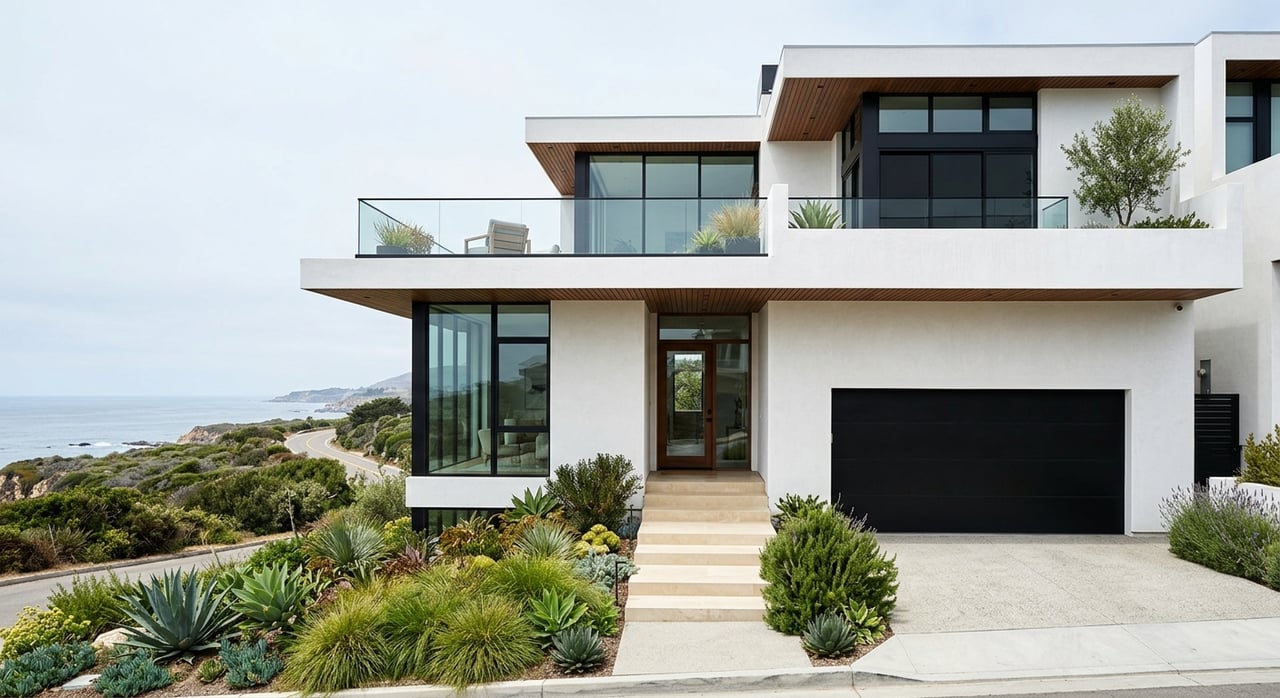
Understanding the Cost of Living in Redondo Beach
May 7, 2026
May 7, 2026
If you are drawn to beach living but want to stay grounded in real numbers, Redondo Beach can feel like a big question. The city offers ocean access, harbor amenities, parks, transit connections, and a strong South Bay lifestyle, but those perks come with premium housing and added monthly costs. If you are wondering whether living in Redondo Beach is actually worth the cost, this guide will help you weigh the numbers against the lifestyle. Let’s dive in.
Redondo Beach is a 6.21-square-mile coastal city with about 68,075 residents. According to the latest Census QuickFacts, the median household income is $150,245, the median monthly owner cost with a mortgage is $3,995, and the median gross rent is $2,691.
Those numbers make one thing clear: housing is the biggest cost factor. Using the city’s median income as a rough benchmark, the Census owner cost works out to about 32% of gross monthly income before HOA dues and utilities. Zillow’s current average rent of $3,428 is about 27% of that income before utilities and parking.
Redondo Beach is not the most expensive coastal city in the South Bay, but it is still firmly in premium territory. Zillow places the city’s typical home value at $1.50 million, while Redfin reports a February 2026 median sale price of $1.55 million.
The market also remains competitive. Redfin says homes receive about two offers on average and sell in around 58 days, while Zillow says homes go pending in around 19 days. These figures measure different things, but both suggest a market where supply stays tight and well-priced homes can still move quickly.
One of the best ways to judge value is to compare Redondo Beach with nearby South Bay cities. In that context, Redondo often lands in a middle-premium spot.
| City | Typical Home Value | Average Rent |
|---|---|---|
| Torrance | $1.12M | $2,952 |
| Redondo Beach | $1.50M | $3,428 |
| El Segundo | $1.76M | $3,121 |
| Hermosa Beach | $2.25M | $3,939 |
| Manhattan Beach | $3.23M | $5,863 |
If your goal is to spend less each month, Torrance is the more budget-friendly option. If you want coastal access but are trying to avoid the much steeper pricing in Hermosa Beach or Manhattan Beach, Redondo Beach can look more balanced.
The true cost of living in Redondo Beach goes beyond a headline purchase price or lease amount. Your monthly carrying costs matter just as much as your housing payment.
For owners, California property tax is limited to 1% plus local voter-approved bonded indebtedness. On a $1.5 million home in Redondo Beach, the 1% base tax alone is about $15,002 per year, or roughly $1,250 per month, before local bonds or special assessments.
The city also levies a 4.75% utility users’ tax on electric, gas, cable television, water, and telephone service. That means your regular utility bills can run higher than you may expect if you are moving from an area without a similar local tax.
Redondo Beach’s ACFR lists monthly sewer user fees at $16.25 for a single-family dwelling and $12.64 for units in condo or apartment structures with four or more units. Water service in the Hermosa-Redondo system is provided by California Water Service, which serves Redondo Beach, Hermosa Beach, and parts of Torrance.
These may not be your largest bills, but they add to the total cost of ownership. In a premium coastal market, the smaller recurring charges can make a meaningful difference over time.
If you are shopping for a condo or townhome, HOA dues may be one of the biggest swing factors in your monthly budget. Current Redondo Beach listing examples show HOA dues ranging from about $50 per month in a small three-unit complex to roughly $620 to $665 per month in beachfront or amenity-rich buildings.
That gap matters. Some HOAs may cover items such as water, gardener service, exterior electric, or part of the building insurance, while others may cover much less. When you compare properties, it helps to look at the full monthly picture, not just the asking price.
Compared with housing, transportation and parking costs are usually smaller line items, but they still affect your budget. Beach Cities Transit serves Redondo Beach, Hermosa Beach, Manhattan Beach, El Segundo, and LAX, with connections to Metro bus and rail. Metro’s base bus and rail fare is $1.75.
If you drive often, parking may become part of your routine cost. Redondo Beach’s current police fee schedule lists annual parking meter permits at $175 and annual residential parking permits at $16. The city also notes a four-hour time limit in Riviera Village meter areas.
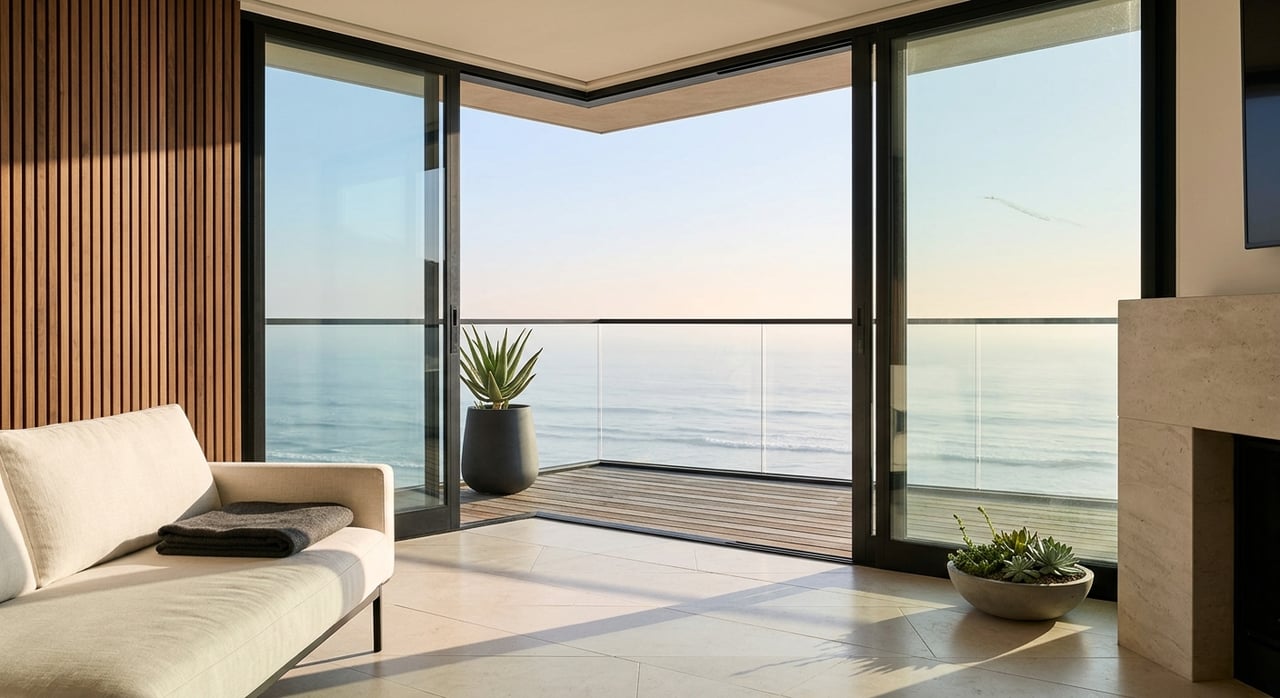
Redondo Beach is described by the city as a full-service beach community with King Harbor, the pier, Seaside Lagoon, a bathing and surfing beach, two public libraries, a performing arts center, 15 parks, and 13 parkettes. That amenity mix is a major reason people want to live here.
It can also shape your spending habits. A beach-city setting often means more dining out, more recreation, and more local activity. Census data showing $451.9 million in accommodation and food services sales in 2022 supports the idea that service and dining are a meaningful part of daily life here.
When you look at Redondo Beach pricing, you are not only paying for square footage. You are also paying for coastal access, public amenities, and a lifestyle that many buyers and renters use every week.
If you regularly enjoy the beach, harbor, pier area, parks, and walkable pockets of the South Bay, the premium may feel justified. For many people, being close to the ocean and having recreation woven into daily life is the point.
If your top priority is maximizing interior space or keeping the lowest possible monthly payment, Redondo Beach may feel less compelling. In that case, an inland alternative like Torrance may offer better value for your budget.
For many buyers and renters, the answer is yes, but only if the lifestyle matches how you actually live. Redondo Beach tends to make the most sense when you will actively use what the city offers: ocean proximity, harbor access, parks, transit options, and a strong South Bay setting.
It may be less worth it if you are stretching hard just to get in and will not use the coastal amenities very often. In a market like this, the value equation usually comes down to whether the beach lifestyle feels like an occasional bonus or an important part of your everyday routine.
Ask yourself a few practical questions:
If your answers lean toward lifestyle, convenience, and coastal living, Redondo Beach often earns its price tag. If your answers lean toward pure affordability, there may be better fits nearby.
Before you buy or rent in Redondo Beach, it helps to build a full monthly estimate. Include your mortgage or rent, property taxes if you are buying, HOA dues if applicable, utility costs, parking, and the everyday spending that comes with your preferred lifestyle.
This kind of side-by-side review can give you a much clearer answer than a home price alone. It also helps you compare different parts of the South Bay in a way that feels practical, not abstract.
A local review is especially helpful in Redondo Beach because the numbers can vary so much by property type. A condo near the coast, a townhome inland, and a single-family home can all produce very different monthly budgets even within the same city.
If you want help weighing Redondo Beach against other South Bay options, Lisa Moule offers boutique local guidance for buyers, sellers, renters, and property owners who want a clear, lifestyle-aware view of the market.
Stay up to date on the latest real estate trends.

Get assistance in determining current property value, crafting a competitive offer, writing and negotiating a contract, and much more. Contact Lisa today to discuss all your real estate needs!